
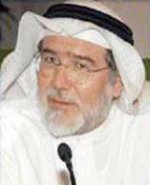
فرحات الطاشكندي
أستاذ الإسكان المشارك ومخطط عمراني
عضو المجلس البلدي لأمانة منطقة الرياض (الدورة الأولى).
شهدت مدينة الرياض لعقودٍ طويلة تخطيطًا حضريًا جعل الشارع ملكًا للسيارة من “السور إلى السور”، ولم يُترك للمشاة إلا مترًا واحدًا بالكاد، محاصرًا بالأشجار وأعمدة الإنارة ومداخل الكراجات البارزة. فغاب الرصيف الحقيقي، وغابت معه إمكانية العيش في الحي سيرًا على الأقدام، والذهاب إلى المدرسة أو المسجد أو البقالة مشيًا كما هو الأصل في الأحياء السكنية. لقد اختطفت السيارة الحي من أهله، وسُلب الإنسان حقه الطبيعي في الحركة داخل بيئته.
اليوم، ما تقوم به أمانة منطقة الرياض من إعادة توزيع الحيز العام لصالح الإنسان، بإنشاء الأرصفة وتخصيص جزء من الشارع للمشاة، ليس تقليدًا للغرب، بل تصحيح لخلل تاريخي وقع عند نشأة المدينة الحديثة. فالأنسنة هنا ليست ترفًا حضريًا ولا تزيينًا تجميليًا، بل استعادة لحق الإنسان في المشي الآمن والمتصل داخل حيه، دون أن تضطره الظروف إلى استخدام السيارة لكل صغيرة وكبيرة.
المفارقة أن بعض المخططين يصفقون حين يرون مدنًا عالمية مثل باريس أو كوبنهاغن تغلق شوارعها لصالح المشاة والدراجات، لكنهم ينتقدون حين نُعيد نحن جزءًا يسيرًا من شوارعنا للإنسان. هذه ازدواجية في المعايير، إذ أن حاجتنا نحن أشدّ، لأن أحياءنا السكنية لم تُبْنَ يومًا على أساس إعطاء المشاة نصيبهم العادل.
وهنا تبرز أهمية العمارة السلمانية التي أكدت دائمًا على قيم الإنسان، ووضعت جودة الحياة في قلب العملية العمرانية.
فالإنسان قبل الحجر، والمشي قبل السيارة، والحي قبل الطريق السريع. إن إعادة الاعتبار للمشاة في شوارع الرياض هو تطبيق مباشر لهذه الرؤية، وهو ما سيعيد التوازن المفقود، ويُنعش الحياة اليومية في أحيائنا.
إن الأنسنة ليست ضد السيارة، بل هي دعوة لإعادة التوازن. لقد أخذت السيارة كل شيء، وحان الوقت أن يُسترد للإنسان حقه المشروع في مدينته.
Humanizing Riyadh’s Streets: Restoring the Lost Right of the People
Farhat Tashkandi
Associate Professor of Housing and Urban Planner, Member of the Municipal Council of the Riyadh Region Municipality (first session)
For decades, Riyadh has suffered from an urban planning approach that made the street entirely the domain of the car, paved “from wall to wall,”
leaving pedestrians with barely a meter-wide strip, cluttered with trees, light poles, and protruding garage entrances.
As a result, the true sidewalk disappeared, and with it the ability to live in the neighborhood on foot,
to walk safely to school, the mosque, or the grocery store. The car hijacked the neighborhood from its residents,
and people were deprived of their natural right to move within their community.
Today, the efforts of Riyadh Municipality to reallocate public space in favor of people — by creating sidewalks and
dedicating parts of streets to pedestrians — are not an imitation of the West, but rather a correction of a historical mistake
made during the modern city’s formation. Humanization here is not an urban luxury or cosmetic beautification; it is the restoration of people’s right to walk safely and continuously within their neighborhood, without being forced to use cars for even the smallest errands.
The irony is that some planners applaud when they see global cities such as Paris or Copenhagen closing streets to cars in favor of pedestrians and cyclists,
yet criticize when we return even a small share of our streets to people. This is a clear double standard, especially since our need is far greater, given that our neighborhoods were lacking a space for pedestrians.
This is where the importance of Salmanyan Architecture emerges, as it has always emphasized human values and placed quality of life at the core of urban planning.
The human being comes before the stone, walking before driving, and the neighborhood before the highway.
Restoring pedestrian rights in Riyadh’s streets is a direct application of this vision,
bringing back the lost balance and reviving everyday life in our neighborhoods.
Humanization is not against cars; it is a call to restore balance. Cars have taken everything,
and now it is time for people to reclaim their rightful share in the city.


اترك تعليقاً